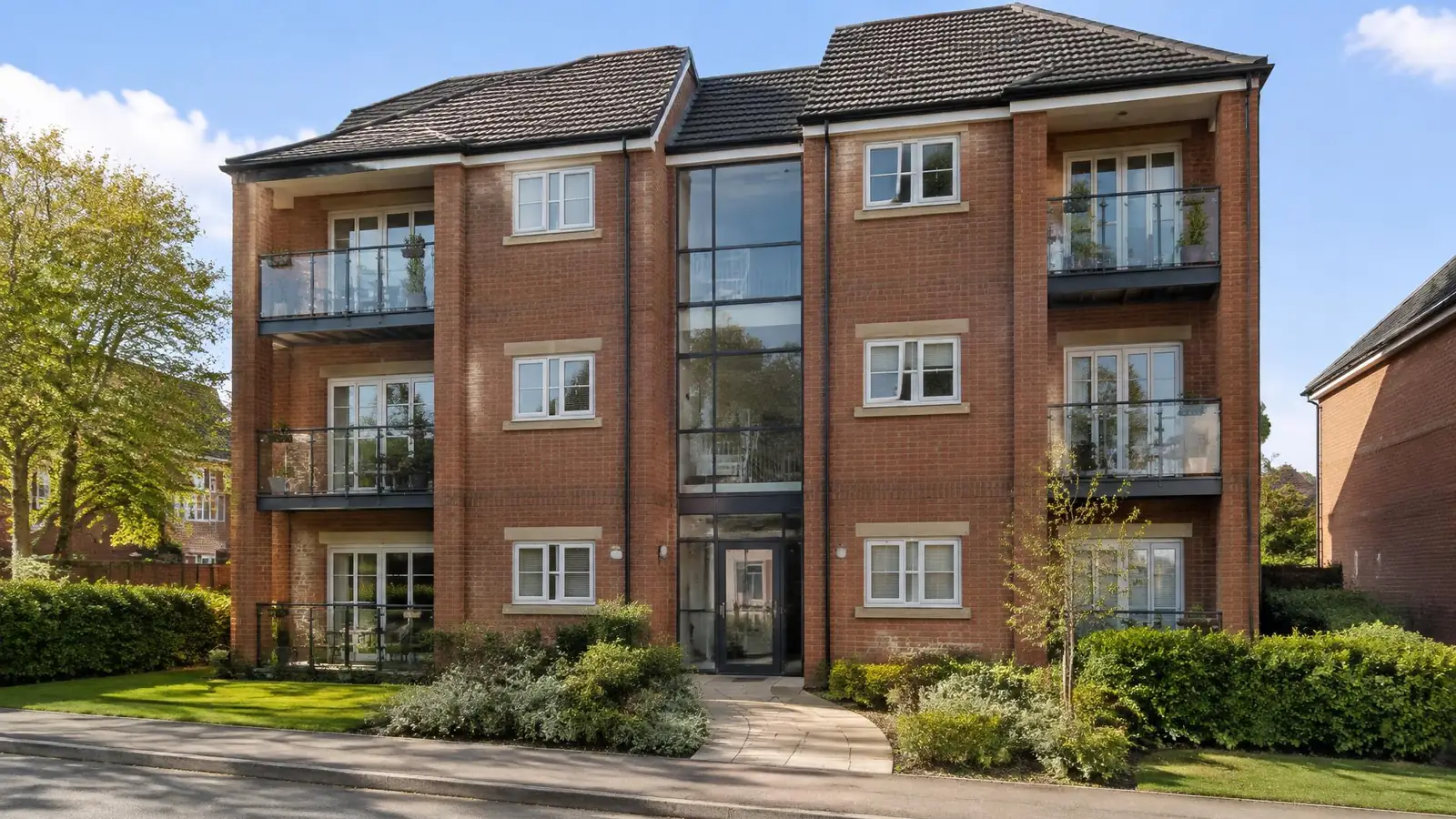
Fire risk assessment requirements for blocks of flats in England
Quick answer
Every block of flats in England with common parts needs a fire risk assessment under the Regulatory Reform (Fire Safety) Order 2005. The responsible person, usually the freeholder, landlord, residents' management company, right to manage company or managing agent, must make a suitable and sufficient assessment of the common parts, the building's structure and external walls, and the flat entrance doors. Since 1 October 2023 the whole assessment must be recorded in writing and residents must be given the key findings. The law sets no fixed review date: it must be reviewed regularly and whenever something significant changes.
This guide is for the people who look after a block: freeholders, residents' management companies, right to manage companies, apartment directors and managing agents. It explains what the law asks of you. It covers existing blocks of flats in England, not single houses, and it isn't a substitute for the assessment itself.
Which law requires a fire risk assessment for flats?
Article 9 of the Regulatory Reform (Fire Safety) Order 2005, usually called the Fire Safety Order, requires the responsible person to make a suitable and sufficient assessment of the fire risks. It applies to the parts of a block that aren't inside the individual flats. Two later laws added to it: the Fire Safety Act 2021 and section 156 of the Building Safety Act 2022. The Fire Safety (England) Regulations 2022 added further duties for blocks of flats from 23 January 2023.
Who is the responsible person?
For the shared parts of a block, it is whoever has control of them. Government guidance names social housing providers, private landlords, freeholders, residents' management companies, right to manage companies and managing agents. A block can have more than one responsible person, for example a freeholder and a managing agent. If so, you must take reasonably practicable steps to find out who the others are, share your name and a UK address with them, co-operate with them, and record which parts each of you is responsible for.
You can pay someone to carry out the assessment for you, but the duty stays with you. Government guidance recommends using a competent fire risk assessor and recording who they are.
What does the assessment cover?
- The common parts: entrance halls, corridors, stairs, landings, plant rooms and other shared areas.
- The building's structure and external walls, including anything attached to them such as balconies and windows.
- The doors between the flats and the common parts, which means every flat entrance door.
It does not cover the inside of individual flats. Fire safety inside the flats is dealt with under the Housing Act 2004.
Does it have to be in writing?
Yes. Since 1 October 2023, section 156 of the Building Safety Act 2022 requires every responsible person to record the fire risk assessment in full, including all its findings. Before that, only the significant findings had to be written down, and only by some responsible persons. You must also record your fire safety arrangements, and your name and a UK address, so the fire and rescue service can identify you.
What must residents be told?
Since 1 October 2023 you must give residents relevant information about:
- the risks the fire risk assessment has identified;
- the fire safety measures in place to protect them;
- the name and UK address of the responsible person; and
- who has been appointed to help make or review the fire risk assessment.
The Fire Safety (England) Regulations 2022 add two more duties in any block with two or more flats and common parts that residents would use to escape, whatever its height:
- Fire safety instructions. Instructions on the building's evacuation strategy, how to report a fire to the fire and rescue service, and anything else residents must do once a fire has started. They must be displayed in a conspicuous part of the building, given to new residents as soon as reasonably practicable, given to all residents at least once every 12 months, and updated after any material change.
- Fire door information. That fire doors should be kept shut when not in use, that residents and guests should not tamper with self-closing devices, and that faults or damage should be reported immediately. This also goes to new residents and to all residents at least once every 12 months.
See fire safety information for residents and fire door regulations for flats for more detail.
How often must a fire risk assessment be reviewed?
The Fire Safety Order doesn't set a fixed interval. It says the assessment must be reviewed regularly to keep it up to date, and in particular if there is reason to suspect it is no longer valid or there has been a significant change to the building or how it is used. Building works, new fire safety measures, a change of use of the common parts or a fire are all reasons to review. Many responsible persons choose a yearly review as a minimum, but the law looks at whether the assessment is still suitable and sufficient, not at a date.
Are there extra rules for taller blocks?
Yes. In blocks with storeys above 11 metres, communal fire doors must be checked at least every 3 months, and you must use best endeavours to check every flat entrance door at least every 12 months. In blocks of at least 18 metres or at least seven storeys, the Fire Safety (England) Regulations 2022 also require a secure information box, a record of the external wall design and materials, floor plans and a single-page building plan shared with the fire and rescue service, monthly checks of firefighting lifts and equipment, and floor and flat signage.
Does a small block of flats need a fire risk assessment?
Yes, if it has common parts, even a converted house with a shared hallway. In a small, simple block the assessment can often be short. The government's guide to making your small block of flats safe from fire covers blocks of up to three storeys with no more than six flats; larger blocks should follow the guidance on fire safety in purpose-built blocks of flats.
Who enforces it, and what are the penalties?
Your local fire and rescue authority enforces the Fire Safety Order and can audit the common parts. Section 156 raised the fine for some offences, such as failing to give a fire inspector what they ask for, from a maximum of £1,000 to an unlimited fine.
What to keep on file
- The full written fire risk assessment, its findings and your fire safety arrangements.
- Who carried it out, and when it was last reviewed and why.
- The names and UK addresses of any other responsible persons, and who is responsible for what.
- When each resident was given the fire safety instructions and the fire door information, and how.
What's still left to do after the assessment
The assessment tells you what the risks are. You still have to give every resident the information in writing, display the instructions in the building, reissue them at least every 12 months and keep a record of who received them. That is the part Resident Fire Safety does.
How Resident Fire Safety helps
Resident Fire Safety writes your resident leaflet and "In case of fire" notice for your building's evacuation strategy, tracks when they're due for reissue, and keeps a flat-by-flat record of who received them. We don't carry out fire risk assessments; you will still need one for the building.
£59 per building per year, whatever the number of flats. See pricing
For a summary you can keep, download our free fire safety guide for blocks of flats.
Sources: Regulatory Reform (Fire Safety) Order 2005, article 9, Fire safety responsibilities under section 156 of the Building Safety Act 2022, The Fire Safety (England) Regulations 2022, A guide to making your small block of flats safe from fire. Last checked 23 November 2026.
Common questions
Is a fire risk assessment a legal requirement for flats?
Yes, for any block of flats in England with common parts. The Fire Safety Order requires the responsible person to make a suitable and sufficient fire risk assessment of the common parts, structure, external walls and flat entrance doors.
Who is responsible for the fire risk assessment in a block of flats?
The responsible person, which is whoever has control of the shared parts. That is usually the freeholder, landlord, residents' management company, right to manage company or managing agent.
How often should a fire risk assessment be done for flats?
The law sets no fixed interval. It must be reviewed regularly to keep it up to date, and whenever there is reason to think it is no longer valid or something significant has changed.
Does the fire risk assessment cover the inside of flats?
No. It covers the common parts, the structure, the external walls and the flat entrance doors, but not the inside of individual flats.
Do residents have to be given a copy of the fire risk assessment?
Not necessarily the whole document, but since 1 October 2023 they must be given the risks it identified, the fire safety measures in place, and the name and UK address of the responsible person.